Heat therapy for pain is commonly used to ease muscle tightness and everyday aches. Many people use warm compresses after a tiring day or when their muscles feel stiff.
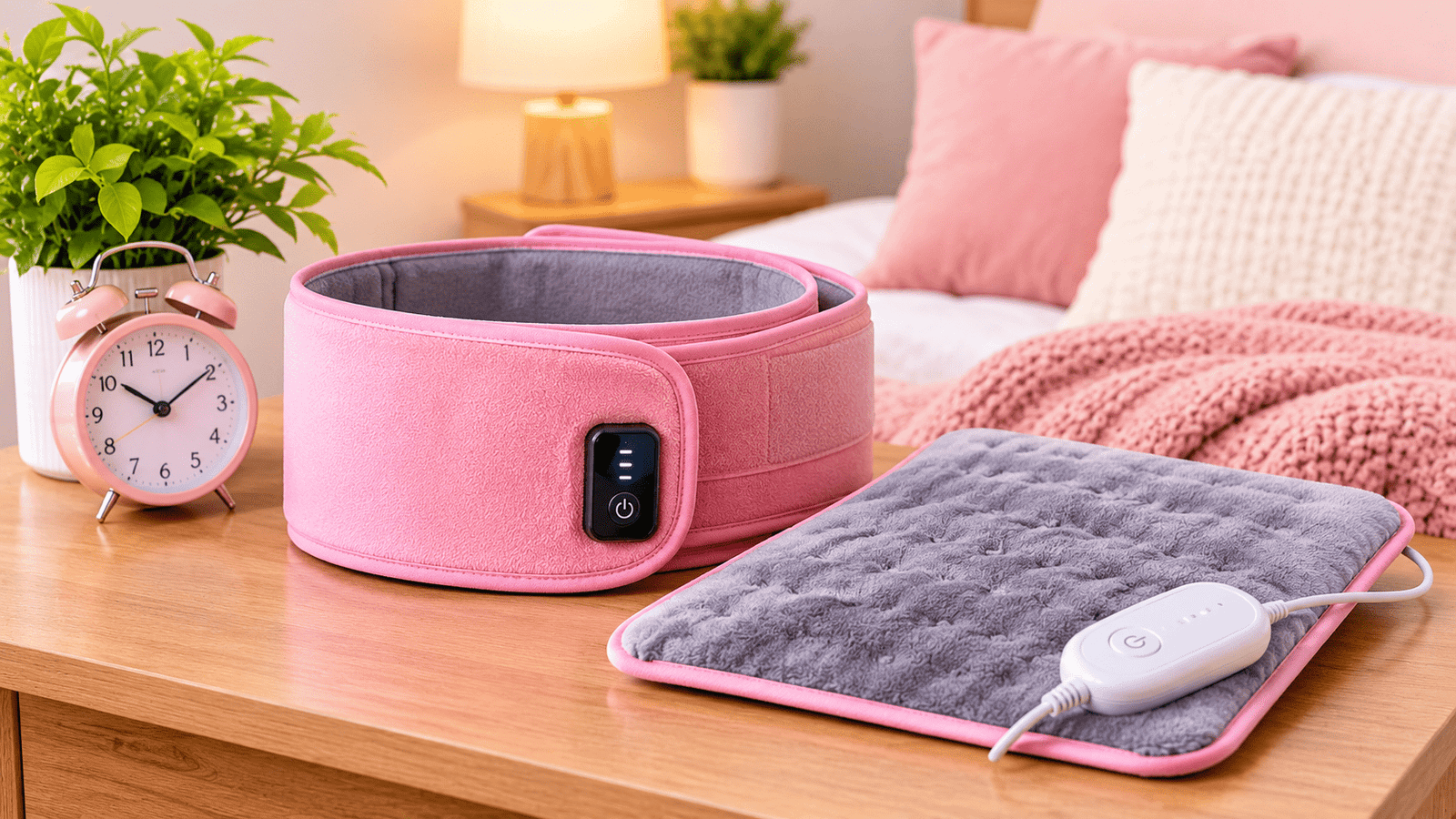
Different products provide warmth in different ways. Options include hot-water bottles, heating pads, reusable gel packs, and wearable wraps. You can also explore a rechargeable heating belt for cramps and pain relief for targeted warmth.
The right option depends on your discomfort, daily routine, and safety needs. Heat can provide temporary comfort, but it does not treat every cause of pain.
Heat therapy involves applying warmth to a particular area of the body. It is often used for mild muscle stiffness and everyday discomfort.
Moderate warmth may increase blood flow near the skin and help tight muscles feel more relaxed. Some people find heat soothing for back stiffness or menstrual cramps.
However, heat therapy is not suitable for every injury. The correct approach depends on the type of pain and the person’s circumstances.
If you are unsure whether heat is appropriate, ask a healthcare professional.
Hot-water bottles are portable and do not require electricity. They can provide warmth around the back, abdomen, or other suitable areas.
Inspect the bottle before use and check for damage. Follow the manufacturer’s filling instructions and use a suitable cover.
Avoid placing the bottle directly against bare skin for extended periods. Excessive heat can cause burns, even when the product feels comfortable initially.
Electric heating pads usually offer adjustable temperature settings. Some models also include timers or automatic shut-off features.
Check the cable, controls, and fabric before every use. Never use a damaged pad or operate it near water.
Use a moderate setting and follow the manufacturer’s instructions. Avoid lying directly on top of a standard heating pad because pressure can increase heat transfer.
Reusable gel packs can provide targeted warmth. Some products can be warmed in water, while others are designed for microwave heating.
Always check the packaging before heating a gel pack. Do not guess the heating time or use an unapproved heating method.
Overheated packs can cause burns or damage the product. Allow the pack to reach a suitable temperature before applying it.
Wearable wraps are designed to fit around selected body areas. Some provide warmth through electrical components, while others use heat-generating materials.
Check the size and fastening system before buying. A wrap should fit securely without restricting movement or breathing.
Follow the maximum wearing time and disposal instructions. Remove the product if it causes irritation or unusual discomfort.
Heat may provide temporary comfort for certain types of mild discomfort.
For example, moderate warmth can help some people manage muscle tightness after prolonged sitting. It may also feel soothing when the back becomes stiff. People experiencing desk-related neck and shoulder discomfort may also find these tech neck relief and shoulder pain tips useful.
Some people use heat during menstruation to help ease cramps. Others prefer warm compresses as part of a relaxing routine.
However, results vary. Heat does not guarantee relief, and it cannot identify the underlying cause of pain.
If your symptoms continue or repeatedly return, consider seeking professional advice rather than relying on heat alone.
Safety should always come first when using a heating product.
Use comfortable, moderate warmth rather than choosing the highest temperature. Place a layer of fabric between the heat source and your skin when the instructions recommend it.
Check your skin regularly during use. Remove the product if you notice strong redness, burning, numbness, or increased pain.
Do not strap a heat pack tightly against your body. Avoid sleeping with a standard heating pad or hot-water bottle in place.
Keep electric products dry and inspect them for damaged cables. Store reusable products according to their manufacturer’s instructions.
Never assume that longer exposure will provide better results.
Some people have a higher risk of burns from heat therapy.
Those with reduced skin sensation or circulation problems should seek professional advice before using heating products. People with certain medical conditions may also need additional precautions.
Extra care is important when using heat on children or older adults who need assistance. The person must be able to recognise excessive heat and remove the product safely.
Avoid applying heat over damaged skin or an area that is numb without professional guidance.
If you have a fresh injury with increasing swelling, heat may not be the right option. Seek advice about whether heat or cold is more suitable.
Start by identifying the area where you want to apply warmth. Then consider whether you need a portable product or something for use at home.
Check the product’s dimensions, temperature controls, cover material, cleaning instructions, and warranty.
A small reusable pack may suit a limited area. A larger pad may cover a broader region, while a wearable wrap can be easier to keep in place.
Read customer reviews for information about comfort and durability. However, always prioritise clear safety instructions over promotional claims.
For additional relaxation ideas, you can also read about building a natural deep sleep routine.
Heat should not be used to ignore serious symptoms.
Seek medical assessment for severe or persistent pain, major swelling, suspected fractures, new weakness, or unexplained symptoms.
Chest pain, breathing difficulty, or sudden severe pain may require urgent care. Do not delay necessary treatment to try another heat product.
A healthcare professional can help determine whether heat is appropriate for your condition.
Heat therapy for pain can provide temporary comfort for some mild aches and muscle stiffness. Common options include hot-water bottles, electric pads, gel packs, and wearable wraps.
Choose a product with clear instructions and use moderate warmth. Protect your skin and stop if discomfort develops.
If pain is severe, unusual, or persistent, seek professional advice instead of relying on heat therapy alone. You can explore more wellness and pain-relief products at Relaxify to find options for your everyday comfort routine.
Period cramps can affect daily activities, sleep, work, and study.....
Choosing a fitness belt for ladies requires attention to comfort,....